

While You’re Out of Office, They’re Just Getting Started
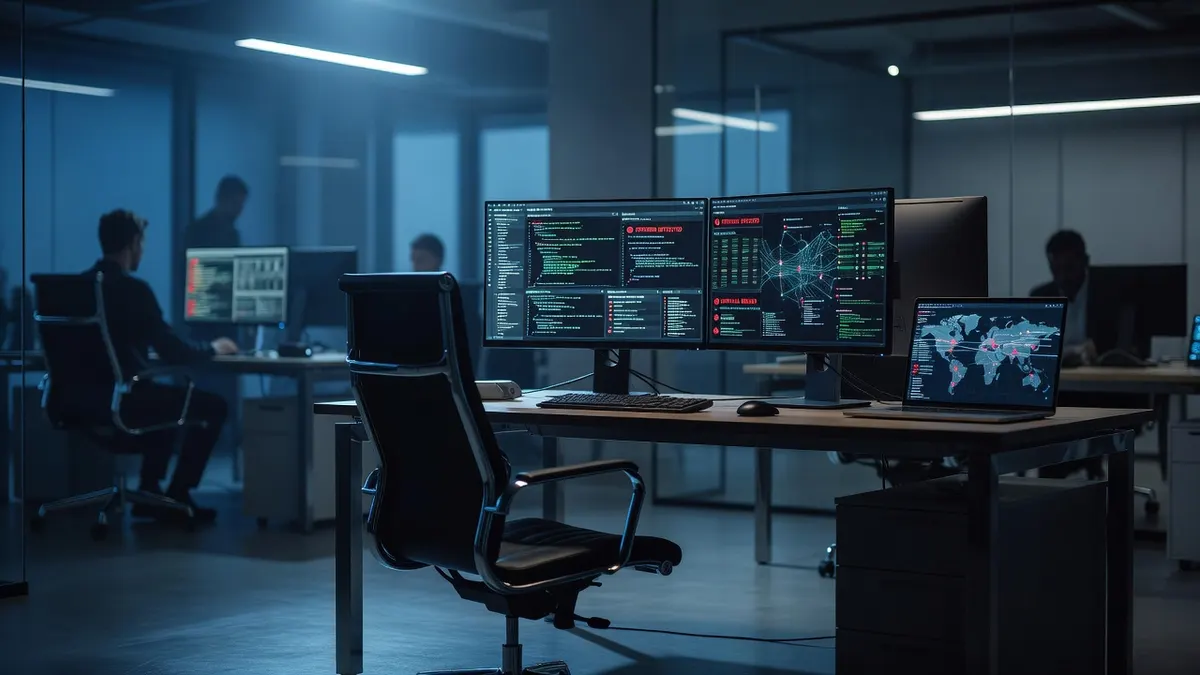
As you’re manning the grill or crawling through holiday traffic, cybercriminals are getting to work.
They’ve been preparing for moments like this.
They already know which companies will be running lean and which alerts are likely to sit unanswered.
They understand that at most small businesses, the so-called “IT person” is the one who gets the call when the printer jams—not someone monitoring a security console at midnight. And they know there are 72 quiet hours between Friday afternoon and Tuesday morning.
They may be looking forward to Memorial Day, too—but for very different reasons than you are.
Semperis’s 2025 Ransomware Holiday Risk Report found that 52% of ransomware victims were hit on a holiday or weekend. That’s not random. It’s deliberate.
The real issue isn’t whether someone is aiming at businesses like yours during a long weekend.
The real question is: who is watching when it happens?
The 48-hour gap
The risk doesn’t begin when the weekend starts. It starts when people begin mentally logging off.
That usually happens by Wednesday.
By Thursday afternoon, shortcuts start to appear. Someone hands over a password because a coworker needs fast access and IT is unavailable to set it up correctly. A vendor receives temporary credentials that never get recorded. A contractor wraps up a job, but their access stays active because the person responsible is already traveling.
Friday is when the cracks widen. Sessions remain open. Devices go unlocked. The small security habits that normally protect systems all week—the ones people barely notice because they’re routine—start slipping as everyone rushes to leave.
None of it feels dangerous in the moment. It feels like business as usual. But those “usual” decisions don’t get revisited until Tuesday morning, leaving a long stretch where no one is really paying attention.
The business didn’t leave. The people did.
Who is on duty while you’re away
Most small businesses don’t notice the mismatch until it’s already too late.
On one side is a criminal group that has done its homework. They know your software stack. They’ve tested your login pages. They’re waiting for a quiet opening. This is their full-time job, and they’re very good at it. Semperis found that 78% of companies cut security staffing by at least half during weekends and holidays. Attackers know that—and they plan around it.
On the other side: who is actually there?
For many small businesses, the honest answer is nobody. Or maybe there’s a number for a dependable IT contact you can call when something breaks.
But they’re not watching systems at midnight on Saturday. They’re not seeing a suspicious login from another country at 2 a.m. They’re not reviewing odd network activity while you’re at the beach. They’re waiting for the phone to ring. And if you don’t know anything is wrong, you never call.
That’s the gap: a reactive approach facing a proactive attacker. That’s not an even match.
What a fair fight looks like
A managed service provider does more than respond after something goes wrong.
In a stronger security model, cybersecurity monitoring and response never stops—whether it’s a Thursday afternoon or the middle of a holiday weekend. Unusual activity gets flagged early: a login from a new location, a file transfer that doesn’t fit normal patterns, or an access attempt on a system that should be offline. Those alerts go to a team that knows how to respond, not to a voicemail box that won’t be checked until Tuesday.
It also means getting ahead of the weekend. Reviewing access. Verifying credentials. Confirming who can reach what—and whether anything should be cleaned up before the office empties out.
Not because something is already wrong, but because if it is, you want to catch it before everyone leaves—not after they return.
Security isn’t really tested when systems fail. It’s tested when nobody is looking.
You may already be in good shape. If someone is monitoring your environment 24/7, you’re ahead of most businesses.
But if your plan is to wait until something breaks and then make a call, it may be time to rethink that strategy before the next long weekend arrives.
Click here or give us a call at 281-367-8253 to schedule your free 15-minute discovery call.
And if you know a business owner heading into the holiday weekend with nothing protecting their company except optimism, pass this along.
Attackers don’t wait for weakness. They wait for silence.